01
Capture
Gather the raw material, constraints, and signals without forcing an answer too early.
Warwick’s Method
A practical cycle for turning scattered information and complex requirements into structured action, then improving the result through what is learned.
The cycle
01
Gather the raw material, constraints, and signals without forcing an answer too early.
02
Find the relationships, priorities, and useful shape inside what has been captured.
03
Turn the structure into a decision, prototype, production, or working system.
04
Study what happened, what changed, and what the result now reveals.
05
Feed the learning back into the work so both the system and its operator improve.
Identity x Structure x Reflection = Evolution
Applied example
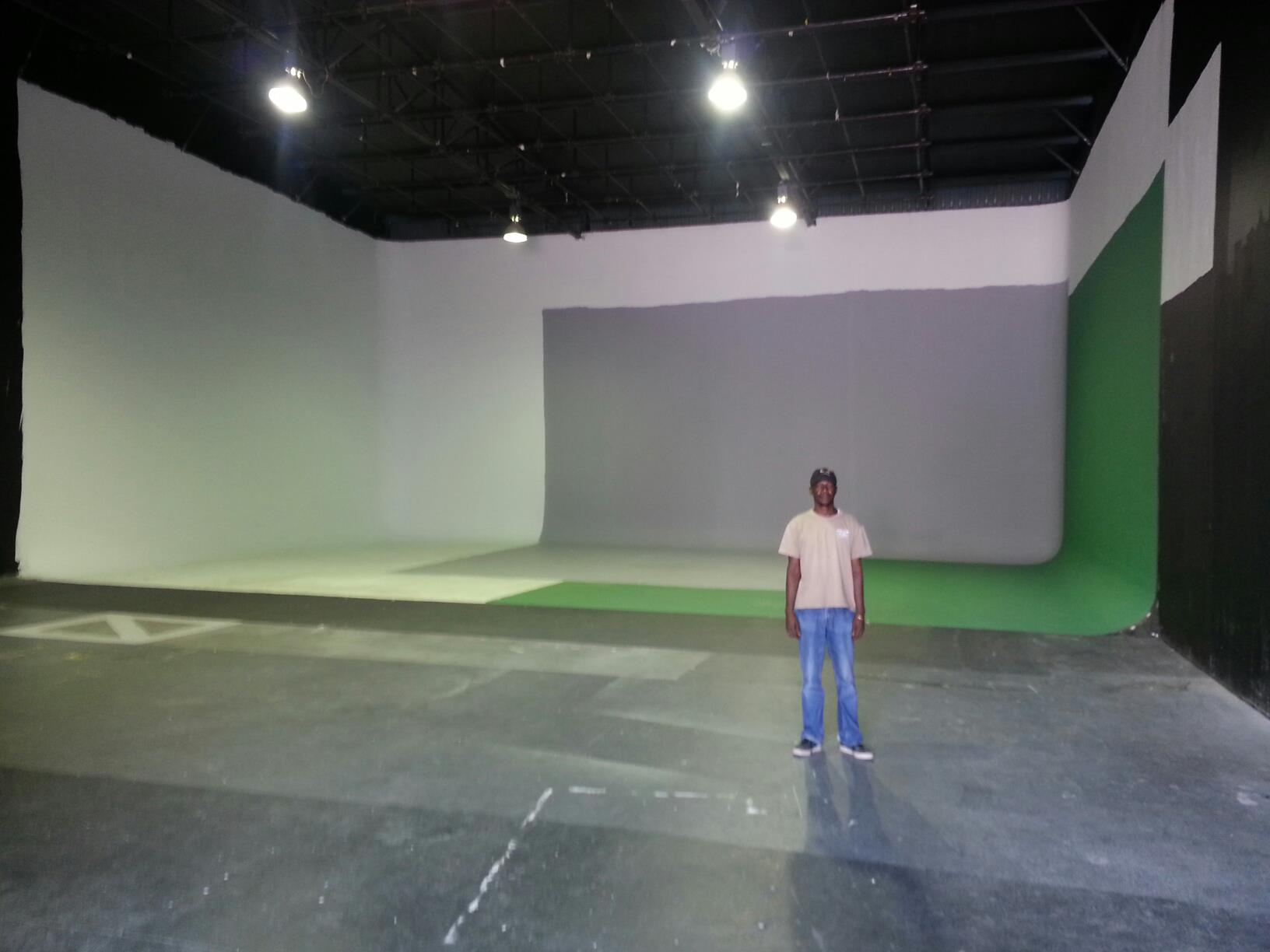
Capture
Record the projection requirement, studio conditions, camera relationship, and the practical constraints of the shoot.
Structure
Resolve the relationship between paired projection hardware, camera position, alignment, and the physical support geometry.
Action
Run the proof of concept, integrate the camera, fabricate the rig, and take it into two production days.
Reflection
Use the build and shoot results to expose alignment, exposure, handling, and repeatability issues.
Evolution
Carry the practical learning into the subsequent Chroma projection rig and later hands-on systems work.
Applied at scale
Capture
Bring scattered conversations, documents, media, and project history into one place.
Structure
Connect dates, organisations, roles, deliverables, and source material into a coherent history.
Action
Turn that structure into biographies, project stories, service knowledge, and material that can support decisions.
Reflection
Check accuracy, context, publication rights, relationships, and gaps before information is reused.
Evolution
Let each use strengthen the knowledge system and make future questions faster to answer.
Use the method
A production, technical system, business process, or body of information that needs a practical next move.